
The city did not feel like a place to begin again.
It felt like a place where people came to disappear.
From the day they arrived, Amina knew this was not a life anyone would choose. The air was heavy, the streets restless, and everywhere she turned, people moved as though there was no time to notice anyone else.
No one asked where they came from.
No one asked what they had lost.
And slowly, it became clear—here, their story did not matter.
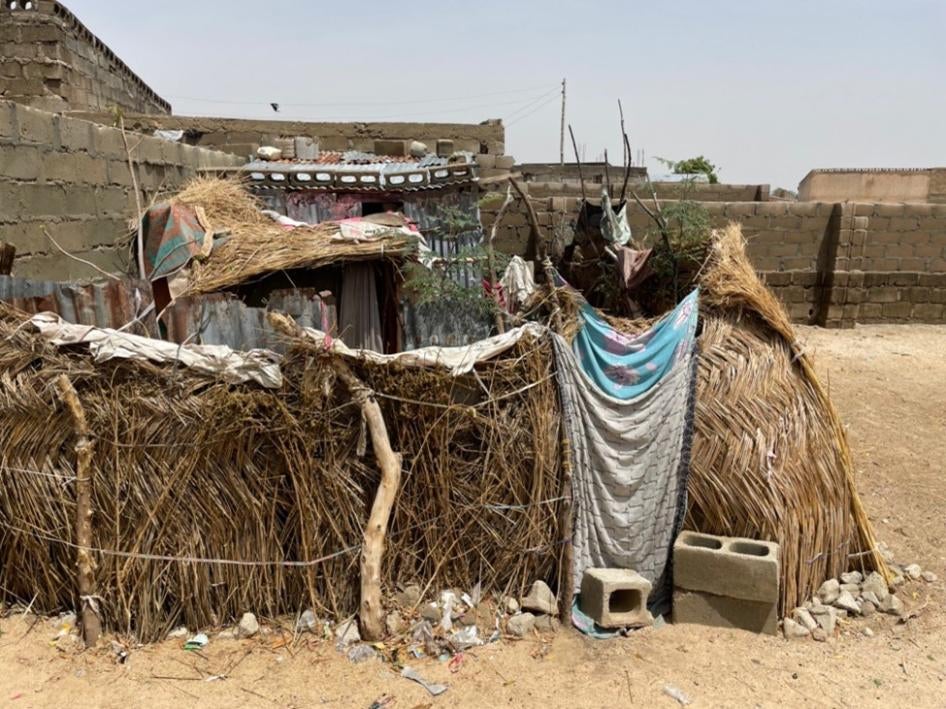
Their shelter sits at the edge of everything.
A small structure patched together with rusted zinc and plastic sheets, held up more by hope than strength. Inside, there is barely enough space to stretch. The floor is hard. The heat settles in during the day and refuses to leave at night.
When it rains, sleep becomes impossible.
Water slips through the roof in thin streams, soaking their clothes, their mats, the little they own. The children huddle together, trying to stay dry. Amina stays awake, placing containers under leaks, moving things from one corner to another, knowing it will never be enough.
There is no comfort here.
Only endurance.
Each morning begins before the sun rises.
Musa leaves quietly, stepping out into a city that has no guarantees for him. He joins other men by the roadside—men with the same look in their eyes, men who once had something steady, something certain.
Now, they wait.
Cars slow down. Sometimes someone points. A few are chosen.
The rest remain standing.
Musa waits for hours. Watching. Hoping. Trying not to think about what it means to return home without anything.
Some days, he is lucky.
Most days, he is not.
And on those days, the walk back feels longer than it should.
Amina does not wait.
She moves.
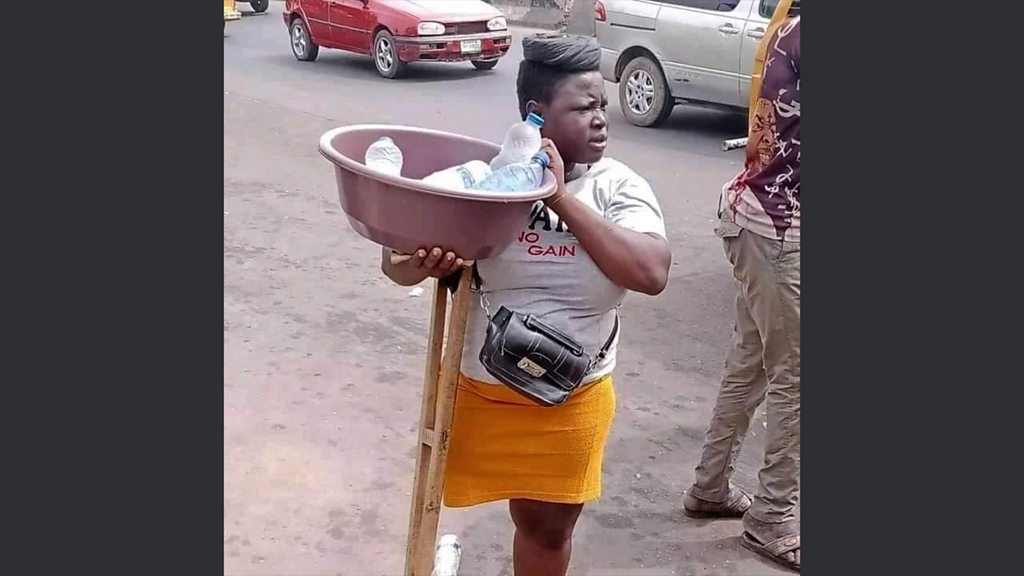
With a basin of sachet water, she walks under the harsh sun, calling out to strangers who rarely meet her eyes. Her voice rises above the noise, but it is easy to ignore.
People are busy.
Everyone is trying to survive.
By midday, the heat becomes unbearable. Sweat runs down her face, her back aches, her feet burn against the ground. Still, she walks.
Because stopping means earning nothing.
And earning nothing means going home with nothing.
Food is no longer certain.
Meals are no longer routine.
Everything is calculated—how much is left, what can be stretched, what can be skipped.
There are nights when the children eat, and Amina pretends she is not hungry.
There are days when even pretending becomes difficult.
Hunger has settled into their lives like an uninvited guest that refuses to leave.
The children have changed.
Not suddenly.
But slowly, in ways that are easy to miss—until you look closely.
They speak less. They laugh less. They ask fewer questions.
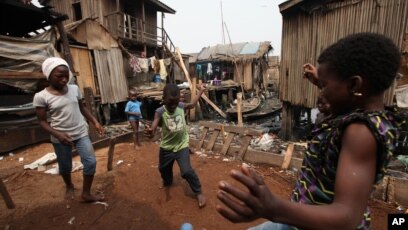
School is no longer part of their world. There are no books here, no uniforms, no mornings filled with purpose. Instead, there are long days and small responsibilities that keep growing.
Zainab no longer plays like other children.
She watches.
She helps.
She carries more than she should.
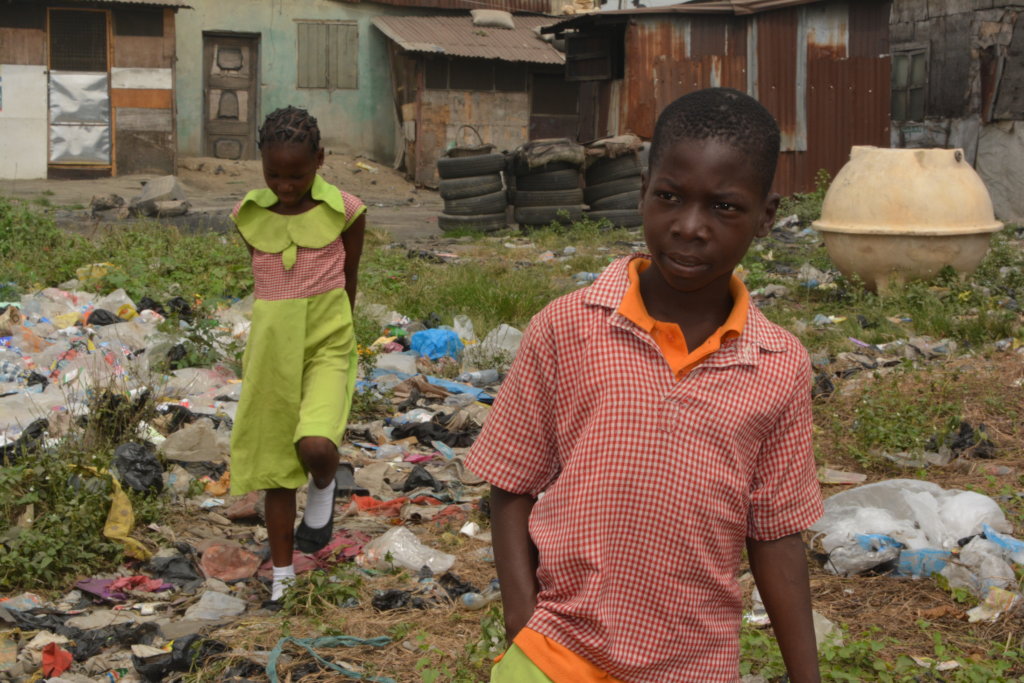
Sometimes, she looks at other children in uniforms passing by, her eyes following them for a moment too long.
Then she looks away.
At night, the settlement grows quiet—but not peaceful.
Darkness covers everything. There are no streetlights, only shadows stretching between narrow paths. Sounds travel easily—footsteps, voices, movements that cannot always be explained.
Amina does not sleep deeply.
She cannot.
Her children lie close to her, their bodies curled together, as if proximity alone can keep them safe.
Every night feels like something to get through.
And in the middle of it all, there is something heavier than hunger, heavier than exhaustion.
Loss.
Not just of land.
But of self.
Back in the village, Amina knew who she was. A farmer. A provider. A woman whose hands produced something meaningful.
Here, she is just another face in a crowd.
Another voice calling out for buyers.
Another person trying not to fall through the cracks.
“I was somebody there,” she says quietly.
The words linger.
Because here, she is still somebody.
But it no longer feels that way.
This is what the city has given them:
A place to stay—but not a home.
Work—but not stability.
Survival—but not dignity.
And so each day begins again.
Not with hope.
But with the simple need to endure.